Changelog

Follow new updates and improvements to OpnForm.

Small improvements for everyday form work
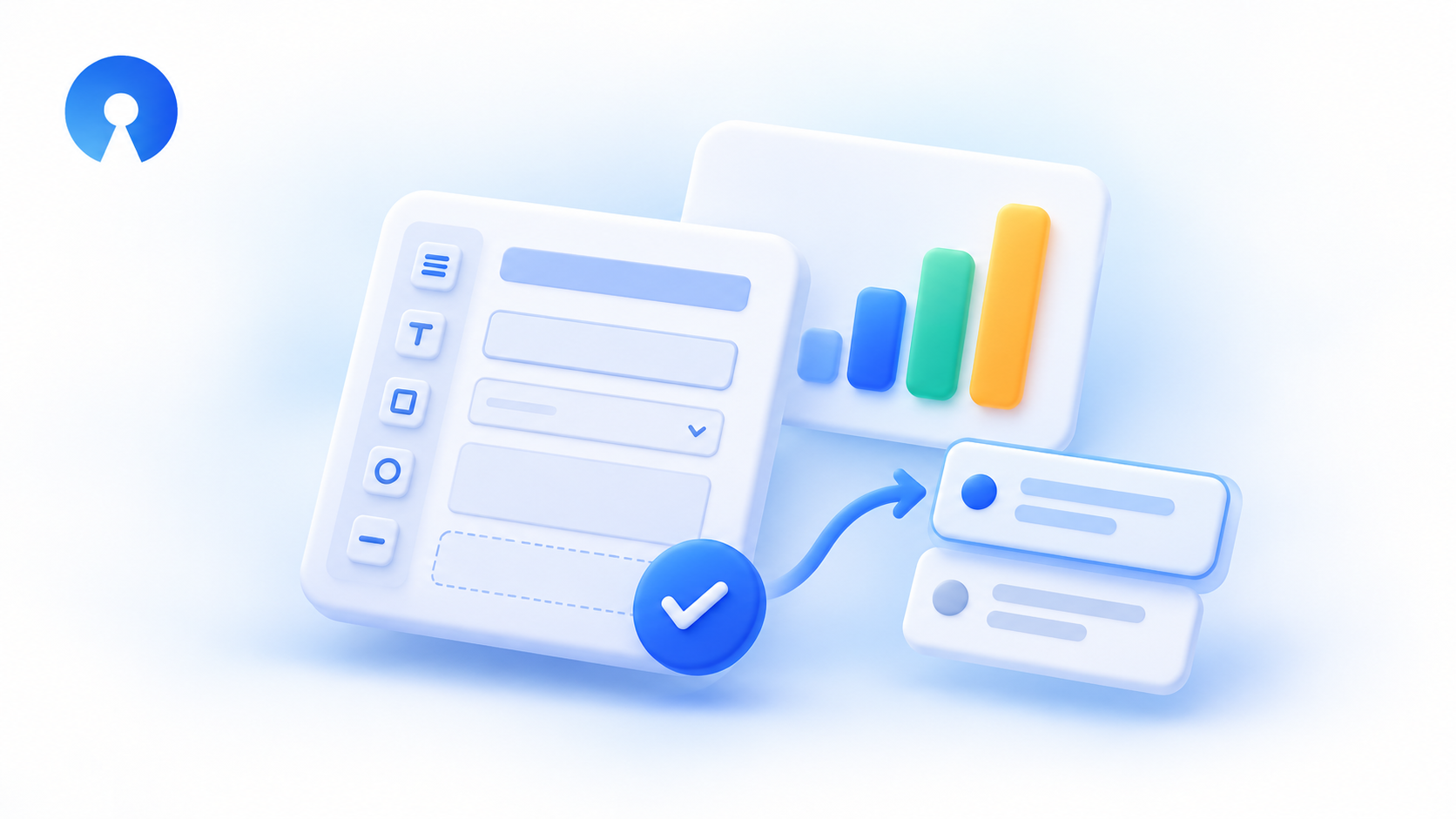
Recent updates make everyday work in OpnForm clearer, from saving your edits to reading responses and recovering an earlier AI-generated draft.

Build and review with more confidence

  • Clearer saving: existing forms show Save Changes and their saved or unsaved state. Use Save and close inside Settings; new-form settings use Done without publishing the form.
  • More readable summaries: charts use more distinct colors, clearer legends, and visible counts and percentages, with better handling of long labels.
  • Versioned AI previews: MCP guest-draft previews keep the revision they displayed. You can ask your assistant to restore an earlier version as a new draft revision. History is limited to the guest draft's seven-day lifetime and does not add rollback to saved account forms.

More reliable responses and follow-up

  • Anonymous respondents can download their submission PDF from the completion screen without an owner account.
  • CSV exports better preserve distinct field columns and permitted IP metadata; several submission and validation messages have improved translations.
  • File upload restrictions are applied consistently to dropped files, and larger allowed uploads work correctly with local storage.
  • Conditional fields and restored drafts initialize more consistently before the form becomes interactive.
  • Integration guides now provide use cases, setup steps, and FAQs for 13 existing integrations.
Explore the integration guides

Lighter forms and a smoother dashboard

OpnForm now loads more of what you need when you need it, keeping public forms, pages, and larger workspaces lighter to use.

Public forms and pages load optional tools and media on demand. Form previews, editor settings, and supporting features avoid downloading everything up front, while uploaded images in submission tables load as they come into view.

What improved

  • Less upfront JavaScript and media loading on public forms and pages.
  • A more efficient dashboard list for workspaces with many forms.
  • Images in submission tables load as you scroll, reducing unnecessary requests.
  • Better handling of temporary loading failures, so a short service interruption is not presented as a missing form.

These changes improve how OpnForm loads without changing how you build, share, or submit your forms. No setup is required.

Reuse PDF templates across your forms

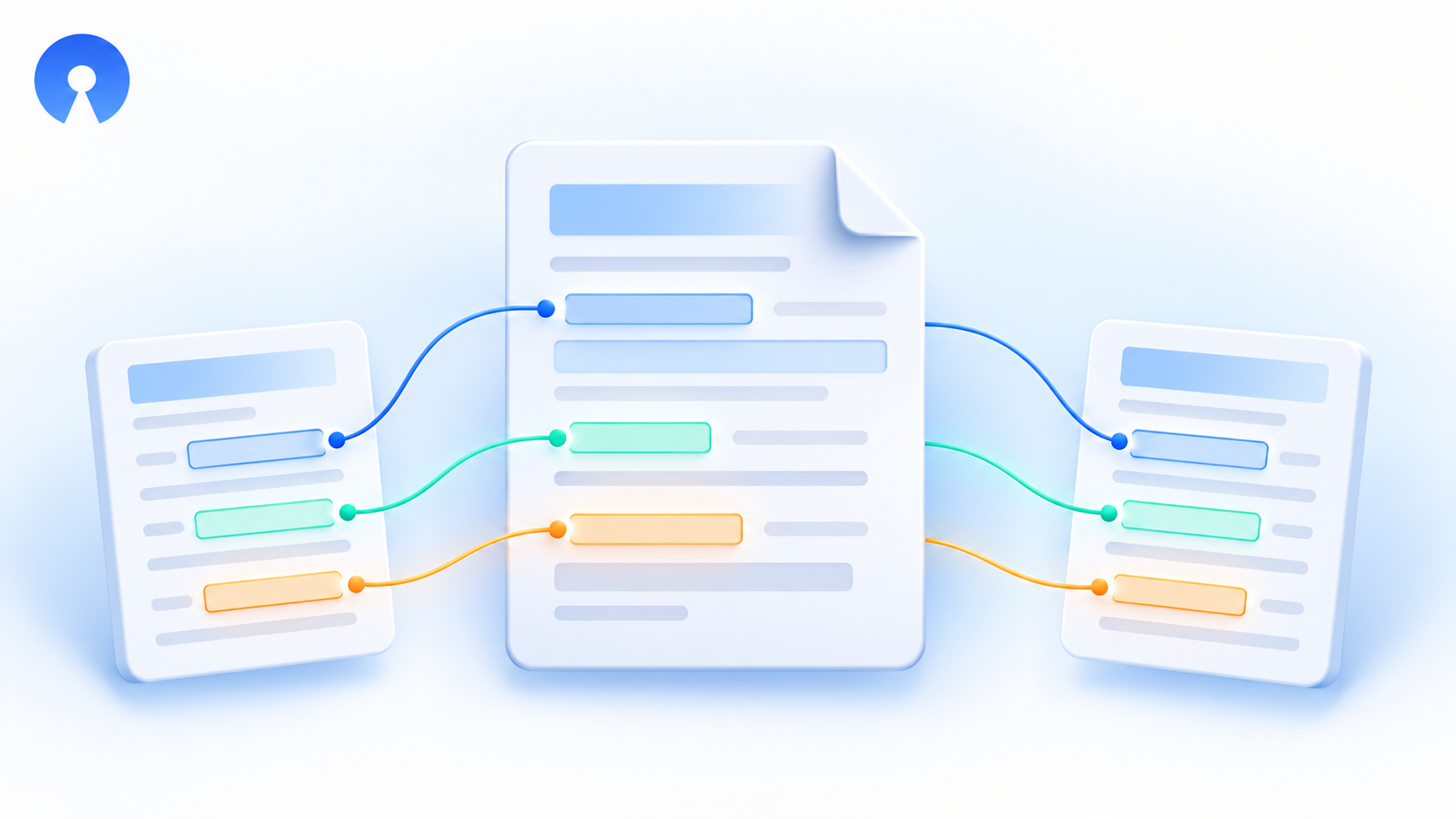
You can now reuse a PDF template in the same form or another form in your workspace, instead of rebuilding its layout from scratch.

The copy keeps your pages, static text, images, layout, filename settings, and branding settings. When copying to another form, OpnForm suggests matching fields and lets you review every mapping or skip fields that do not belong in the new document.

How to use it

  • Open your form's PDF Templates page.
  • Open the template's menu and select Duplicate template.
  • Enter a Template name and choose the Destination form.
  • For a different form, review each destination-field mapping or choose Skip this field.
  • Select Duplicate template to open the independent copy in the editor, then review and save it.

Both forms must be in the same workspace and you need edit access to both. Duplicating a template keeps the original intact; integrations and respondent download selections are not automatically reassigned to the copy.

The PDF editor also explains when template zones refer to deleted form fields, helping you clean up outdated mappings before saving.

Read the PDF templates guide

Earlier updates